
Does Red Light Therapy Work for Hair Loss? What the Science Says
Quick Reference Summary
Red light therapy, also called low-level laser therapy (LLLT) or photobiomodulation, uses specific wavelengths of red and near-infrared light to stimulate hair follicles at the cellular level. It's typically delivered through a helmet or cap for hands-free, full-scalp coverage. Clinical research supports its effectiveness specifically for androgenetic alopecia, the medical term for male and female pattern hair loss, with most users seeing initial changes after 3 to 6 months of consistent use. It is not a cure and works best on early to moderate thinning rather than advanced or scarring hair loss.
TL;DR
Yes, red light therapy has real clinical support for treating pattern hair loss, backed by multiple independent studies over the past decade. It is not effective for every type of hair loss, and it requires months of consistent use, not days. This guide covers what the research actually shows, who it genuinely works for, how to use a red light therapy cap or helmet correctly, and what a legitimate device looks like.
Does Red Light Therapy Actually Work for Hair Loss?
You've noticed more hair in the shower drain than usual, or a hairline that looks different than it did a few years ago, and now you're seeing red light therapy caps and helmets everywhere, wondering if they're a legitimate treatment or just another wellness trend with a laser attached.
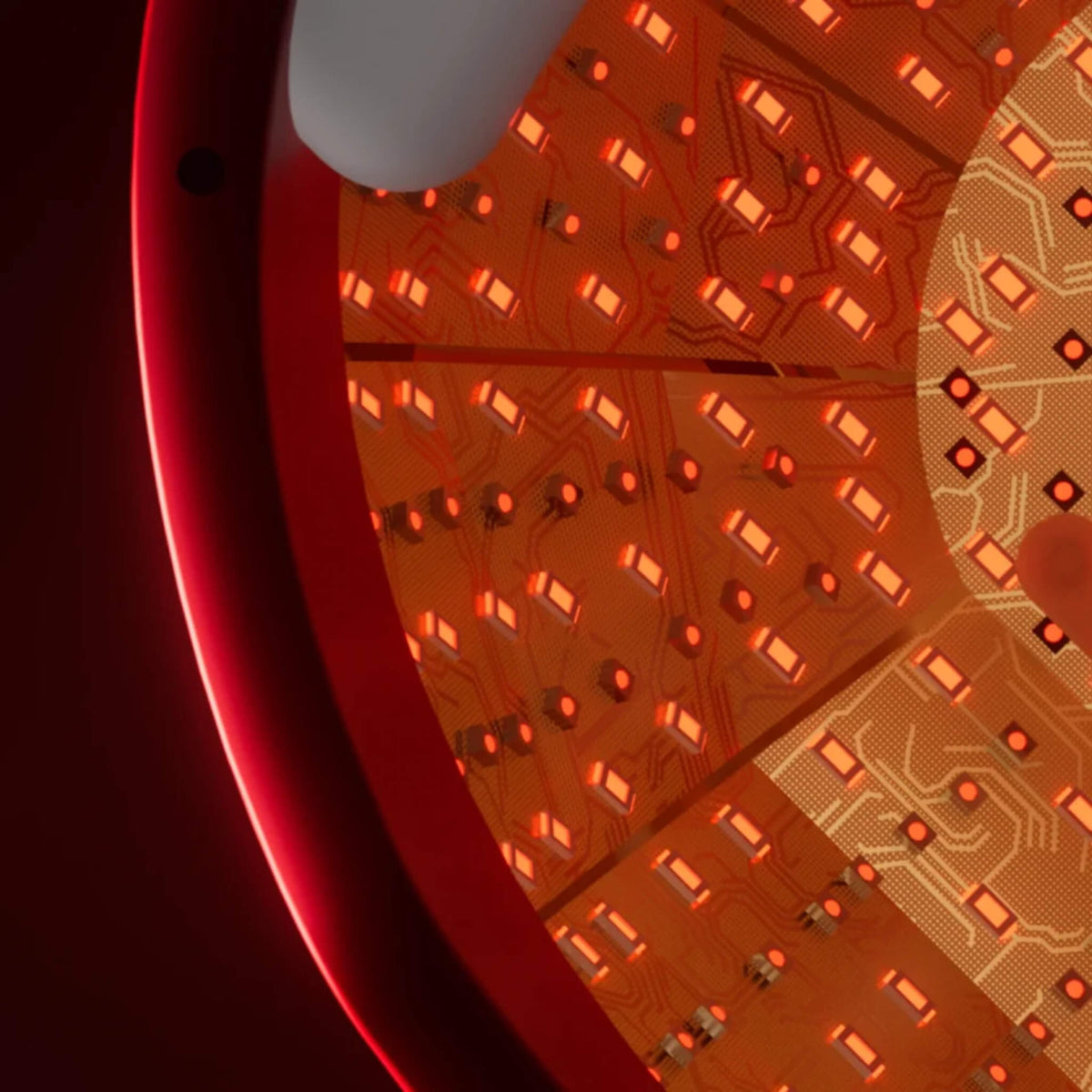
The honest answer is yes, for the right kind of hair loss. Red light therapy uses specific wavelengths of red and near-infrared light to penetrate the scalp and stimulate cellular activity inside hair follicles. This process, known as photobiomodulation, increases energy production in follicle cells, helps extend the growth phase of the hair cycle, and creates a healthier scalp environment through improved circulation and reduced inflammation.
Multiple independent clinical studies support this. A 2014 study published in Lasers in Surgery and Medicine found significant increases in hair density among people using red light therapy compared to a placebo group. A 2017 study in the Journal of Cosmetic and Laser Therapy concluded that low-level laser therapy effectively promotes hair growth and can be safely combined with other treatments. A 2020 systematic review confirmed the treatment is effective and safe for both male and female pattern hair loss, particularly with consistent use over several months.
Who It Actually Works For, and Who It Doesn't
This is the part most marketing skips, and it matters.
Red light therapy has its strongest evidence for androgenetic alopecia, the medical term for hereditary pattern hair loss in both men and women. If your thinning follows a typical pattern, at the crown, temples, or hairline, this is exactly the type of hair loss the research supports.
It is not a primary treatment for alopecia areata, an autoimmune condition, or for scarring alopecia where follicles have already been permanently damaged. If your hair loss doesn't fit the pattern type, or you're not sure which type you have, that's worth confirming with a doctor before investing in a device.
What to Actually Expect, Before and After
This is not an overnight fix. Most people using red light therapy consistently begin noticing changes around 3 to 6 months in, not weeks. Before, thinning areas typically show reduced density and finer, weaker strands. After several months of consistent use, the realistic before-and-after pattern reported in clinical studies is thicker, denser hair in existing thinning areas rather than hair appearing where follicles are no longer active. Results also depend entirely on consistency, sessions a few times a week, every week, for months, not an occasional session when you remember. Once you stop using it, the benefits stop as well, the same way stopping any hair loss treatment allows the underlying pattern to continue.
How to Use a Red Light Therapy Cap or Helmet Correctly
Devices are typically used for a set session length, several times per week. The exact time and frequency vary by device, so following the manufacturer's specific recommended schedule matters more than any general rule, using it more often than recommended does not speed up results. What matters most is showing up consistently over months, not the exact minute count on any given day.
What a Legitimate Device Actually Looks Like
Not every red light cap or helmet sold online is built the same way. Look for a device that is FDA-cleared specifically for hair growth, since that clearance requires the manufacturer to demonstrate real evidence to the FDA, not just marketing claims. iRESTORE makes three FDA-cleared laser and LED hair growth helmets, Essential, Professional, and Elite, each combining lasers and LEDs at different power levels and coverage areas. If you're deciding which of the three fits your specific thinning pattern and budget, our full comparison guide breaks down exactly what separates them.
Frequently Asked Questions
How effective is red light therapy for hair loss?
Clinical studies show meaningful improvements in hair density and thickness for people with androgenetic alopecia, particularly with consistent use over several months. It is not equally effective for every type of hair loss, and results vary by individual.
How does red light therapy work for hair loss?
It uses specific wavelengths of red and near-infrared light to stimulate cellular activity in hair follicles, increasing energy production, extending the hair growth phase, and improving scalp circulation.
How do you use a red light therapy cap or helmet for hair loss?
Consistently, following the specific device's recommended session length and weekly frequency, for at least 3 to 6 months before expecting to see results.
How long per day should you use red light therapy for hair loss?
This depends on the specific device. Following the manufacturer's recommended session length matters more than extending it, using a device longer or more often than recommended does not improve results.
What does red light therapy actually do for hair loss?
It stimulates existing hair follicles at the cellular level to extend their growth phase and improve the health of the scalp environment, rather than creating new follicles where none exist.
Ready to Choose a Device?
If your thinning follows a typical pattern rather than an autoimmune or scarring condition, red light therapy has real clinical support behind it. The iRESTORE Essential, Professional, and Elite comparison guide walks through exactly which model fits your stage of thinning and budget.
Any questions before you decide, we are here.
This content is for informational purposes only and does not constitute medical advice. Consult a healthcare provider to determine the cause of your hair loss before beginning any treatment.
%20or%20photobiomodulation,%20uses%20specific%20wavelengths%20of%20red%20and%20near-infrared%20light%20to%20stimulate%20hair%20follicles%20at%20...)