
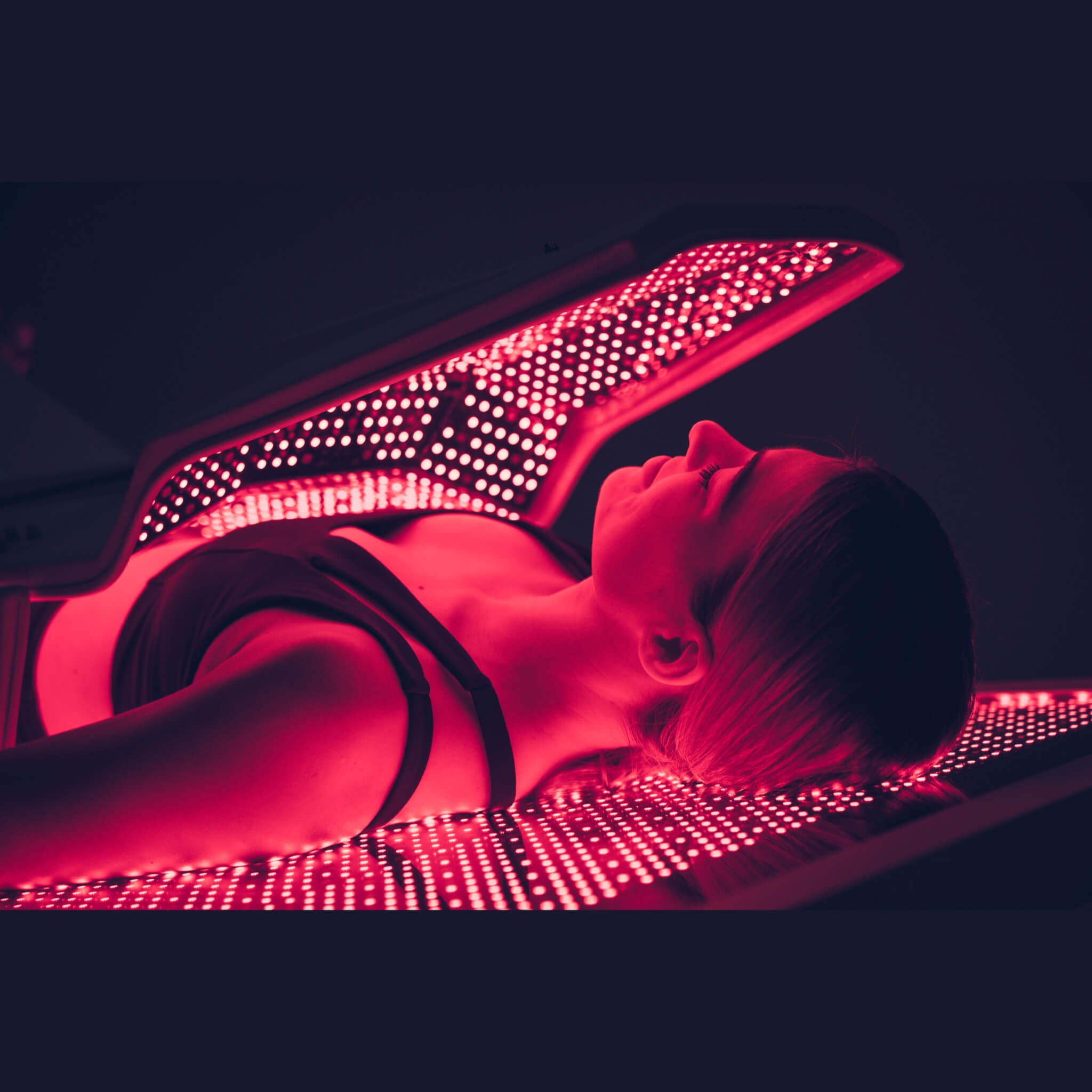
Can You Install a Professional Red Light Therapy Bed at Home?
Cost, Space, and What to Know (2026)
Thinking about installing a professional red light therapy bed at home? Learn real costs, space needs, electrical setup, and what to expect before investing in full-body light therapy.
Full-body red light therapy is no longer limited to spas and recovery centers.
More homeowners are exploring professional systems for private, daily access.
But installing a commercial-grade red light therapy bed at home is very different from buying a panel or small device. These are large, high-performance systems designed for continuous use and full-body coverage.
If you are considering one for your home, this guide explains exactly what to expect so you can plan correctly from the start.
Yes, You Can Install a Professional Red Light Therapy Bed at Home
There is no rule that says these systems must stay in commercial facilities. Many homeowners install them successfully.
What matters is preparation.
Professional red light therapy beds require:
- dedicated physical space
- proper electrical capacity
- safe delivery access
- planned installation
When those factors are handled correctly, home installation is completely achievable.
What Makes Professional Systems Different From Home Devices
This is where many buyers get confused.
Consumer light therapy products are small, portable, and plug into standard outlets.
Professional beds are engineered for full-body exposure, high output, and frequent use.
They are built more like commercial equipment than household appliances.
Typical characteristics include:
- large physical footprint
- heavy structural frames
- advanced cooling systems
- high electrical demand
- full-body coverage from multiple angles
Because of this, installation planning is part of the ownership process.
Realistic Cost Expectations
Professional red light therapy beds are long-term wellness investments. Pricing varies by size, design, and performance level, but most full-body systems fall into a premium range.
Typical investment categories:
- entry commercial systems: often tens of thousands of dollars
- advanced full-body systems: higher depending on configuration
- installation preparation: varies by home setup
Cost depends heavily on the environment where the system will be installed. If electrical upgrades or room preparation are needed, that becomes part of the total investment.
For buyers planning a dedicated wellness room or recovery space, this is usually built into the project from the beginning.
Space Requirements Inside the Home
Before choosing a system, you need to confirm that your home can physically accommodate it.
Important planning factors include:
Room size
You need enough space for the unit itself plus safe clearance around it for entry, exit, and airflow.
Ceiling height
Some systems open upward or require overhead space for ventilation.
Delivery path
The unit must be able to pass through doors, hallways, and turns during delivery. This step is often overlooked but is critical.
Environment
Many homeowners place these systems in:
- home wellness rooms
- recovery studios
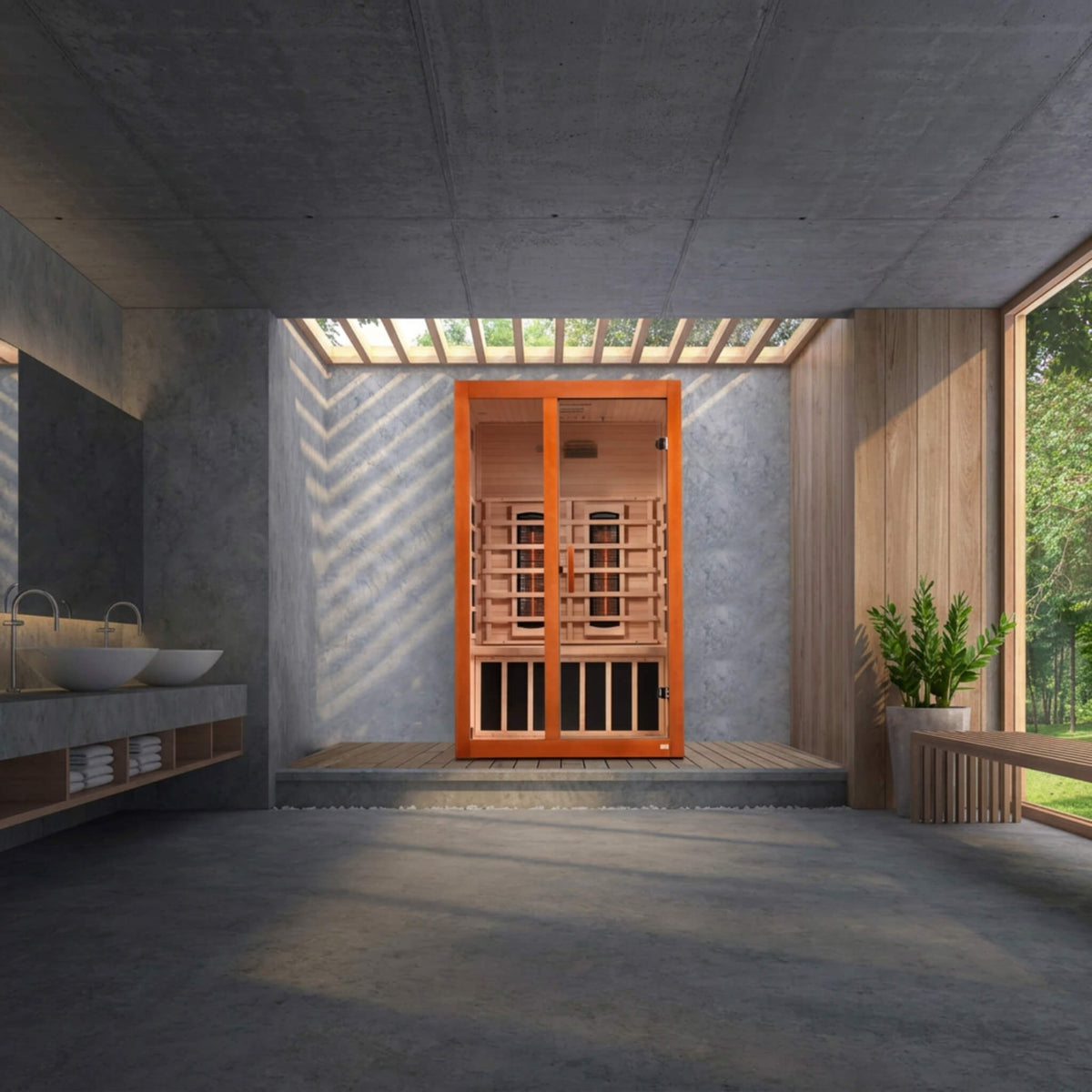
- luxury spa-style bathrooms
- fitness or performance spaces
The goal is a comfortable, dedicated environment that supports regular use.
Electrical and Power Considerations
Professional light therapy beds use significantly more power than small consumer devices.
Depending on the model, installation may require:
- dedicated electrical circuits
- higher voltage capacity
- professional electrical review before installation
This is standard for commercial equipment placed in a residential setting. Planning this early prevents delays later.
Who Typically Installs These Systems at Home
Home installation is most common among people who want consistent access to high-performance wellness technology.
Typical buyers include those who:
- prefer private daily sessions
- already invest in home recovery or performance equipment
- are building a dedicated wellness environment
- want long-term convenience instead of visiting facilities
For these individuals, home installation is about control, privacy, and accessibility.
Planning Your Installation Before Purchase
The best installations start with clear planning before selecting a specific model.
A proper plan usually includes:
- Measuring the intended room
- Confirming electrical capacity
- Reviewing delivery access into the home
- Matching system size to available space
- Coordinating installation timing
When these steps are handled first, installation is smooth and predictable.
Advantages of Having a Professional System at Home
For the right buyer, home installation offers meaningful benefits.
Private access
Use the system whenever you want without scheduling appointments.
Consistency
Regular sessions are easier when equipment is always available.
Long-term convenience
No travel time. No facility visits. Full control of your schedule.
Integrated wellness environment
Many homeowners combine red light therapy with recovery, fitness, or relaxation spaces.
Is a Professional Bed Right for Every Home?
Not every household needs a commercial-grade system. For some people, smaller light therapy devices are a better fit.
Professional full-body beds make the most sense when:
- full-body exposure is a priority
- frequent use is expected
- space is available
- long-term installation is planned
This is a lifestyle investment rather than a casual purchase.
Final Thoughts
Installing a professional red light therapy bed at home is absolutely possible when planned correctly.
The key factors are simple:
- realistic budget
- confirmed space
- proper electrical setup
- organized installation planning
When those pieces are in place, homeowners can create a private wellness environment that delivers consistent full-body sessions without leaving the house.
For buyers seeking performance, convenience, and long-term access, home installation is becoming an increasingly practical option.
Frequently Asked Questions
Can a red light therapy bed be installed in any home?
Most homes can accommodate one with proper planning, but space and electrical capacity must be confirmed first.
Do professional systems require special electrical work?
Some do. Requirements vary by model, so electrical review is recommended before installation.
How much space is needed?
It depends on the system. Both the unit footprint and clearance space must be considered.
Is installation complicated?
With proper planning, installation is straightforward. The key is preparation before delivery.




%0AThinking%20about%20installing%20a%20professional%20red%20light%20therapy%20bed%20at%20home?%20Learn%20real%20costs,%20space%20needs,%20electrical%20setup,%20and%20what%20to%20expect%20before%20investing%20in%20...)