Full-Body Red Light Therapy Beds: The Complete 2026 Buyer's Guide
Red light therapy has exploded in 2026, transforming from a niche wellness treatment into a mainstream phenomenon. Full-body red light therapy beds now dominate wellness centers, sports recovery facilities, luxury spas—and increasingly, high-end home wellness setups.
The numbers tell the story: the U.S. red light therapy beds market jumped from $69 million in 2024 to a projected $84.7 million in 2025, with forecasts reaching $198.4 million by 2033. That's an 11.2% compound annual growth rate driven by celebrity endorsements, athlete adoption, and mounting clinical evidence.
If you're considering a full-body red light therapy bed—whether for commercial use or serious home wellness—this guide breaks down everything you need to know. We'll cover the science, the key buying factors, and how to choose the right system for your needs and budget.
Why Full-Body Red Light Therapy Beds Are Trending in 2026
Three major factors are driving explosive growth:
High-profile athlete adoption. Soccer star Erling Haaland's $18,900 red light bed purchase made headlines in August 2024, sparking widespread social media buzz. Professional sports teams now routinely integrate these beds into recovery protocols. Mainstream media validation. L'Oréal unveiled new infrared light devices at CES 2026, Fortune Magazine published "5 Best Red Light Therapy Panels" on January 27, and major health systems like UCLA Health and Sharp HealthCare are actively promoting the therapy. Scientific backing. Research from Harvard Medical School and UC institutions demonstrates measurable effects on mitochondrial function, collagen production, inflammation reduction, and tissue recovery. These aren't just wellness buzzwords—they're documented biological mechanisms.
The result? New red light therapy centers opened just this week, with consumer interest reaching peak levels not seen since the technology first emerged.
The Science: How Full-Body Red Light Therapy Works
Red light therapy—scientifically known as photobiomodulation—uses specific wavelengths of light (red and near-infrared) to interact with your cells' mitochondria. Think of mitochondria as cellular powerhouses that produce ATP, the molecule fueling virtually every cellular process in your body.
When red and near-infrared light penetrates your skin, it's absorbed by cytochrome c oxidase within the mitochondria. This absorption triggers a cascade of beneficial effects, starting with increased ATP production. More cellular energy means better tissue repair, faster recovery, reduced inflammation, and enhanced cellular function.
The key wavelengths:
- 630-660nm (red light): Penetrates 5-10mm deep, targeting skin surface, collagen production, and superficial tissues - 810-850nm (near-infrared): Penetrates up to 50mm deep, reaching muscles, joints, and deeper tissues
Full-body beds combine both wavelengths for comprehensive coverage, delivering therapeutic benefits from skin level down to muscle and joint tissue.
Full-Body Beds vs. Panels vs. Masks: Which Format Makes Sense?
Understanding the three main formats helps you make the right investment:
Full-Body Beds ($7,950-$89,995)
These professional-grade systems deliver simultaneous treatment to your entire body. You lie down for 10-20 minute sessions while thousands of LEDs work on skin, muscles, and joints at once. Ideal for serious wellness enthusiasts, athletes, and commercial facilities.
Advantages: Maximum coverage, efficient treatment time, professional-grade power output, hands-free convenience Drawbacks: Highest cost, requires dedicated space, less portable Panels ($200-$3,000)
Standalone devices you position near specific body areas. Popular for targeted treatments or budget-conscious buyers.
Advantages: More affordable, portable, can focus on specific areas Drawbacks: Requires hands-on positioning, treats smaller areas, multiple sessions needed for full-body coverage, lower overall power density Masks ($100-$500)
Facial-focused devices for skin rejuvenation, anti-aging, and cosmetic applications.
Advantages: Most affordable, compact storage, specifically designed for facial treatments Drawbacks: Face-only coverage, no muscle/joint benefits, limited therapeutic depth
For serious wellness investment—especially if recovery, performance, or whole-body benefits matter—full-body beds deliver the most comprehensive solution.
Key Factors When Choosing a Full-Body Red Light Therapy Bed
1. LED Count and Coverage
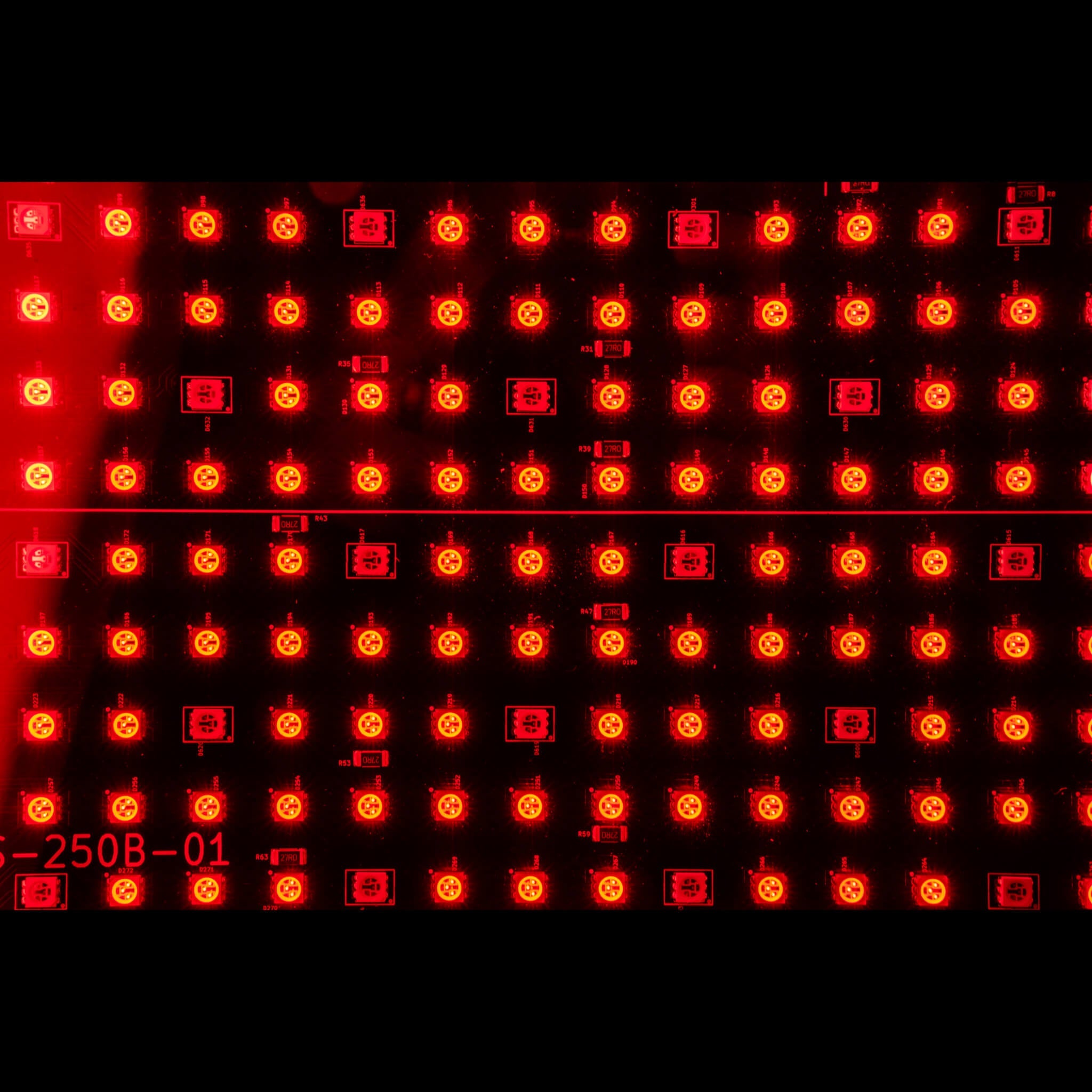
More LEDs generally means better coverage and more consistent light distribution. Entry-level systems start around 1,000-2,000 LEDs, while professional-grade beds feature 15,000-28,000+ LEDs for maximum therapeutic benefit.
Why it matters: Gaps in coverage mean uneven treatment. Professional beds ensure every square inch receives therapeutic light, eliminating "cold spots" that reduce effectiveness.
2. Wavelength Combination
The most effective beds combine both red (630-660nm) and near-infrared (810-850nm) wavelengths. Some systems use 2-wave combinations, while premium models incorporate 3-4 wavelengths for enhanced versatility.
Why it matters: Red light handles surface work (skin, collagen, superficial tissue) while near-infrared penetrates deep for muscle, joint, and internal tissue benefits. You need both for comprehensive results.
3. Irradiance (Power Output)
Measured in milliwatts per square centimeter (mW/cm²), irradiance determines how much light energy actually reaches your body. Effective beds deliver 50-100+ mW/cm² at treatment distance.
Why it matters: Too little power means insufficient therapeutic effect. Professional systems maintain high irradiance even across large treatment areas, ensuring every session delivers meaningful results.
4. Proximity to Light Source
The closer LEDs position to your body, the more light energy penetrates tissue. Professional beds use ergonomic designs—often called "zero gravity" positions—to bring you within 0.5-3 inches of the light source.
Why it matters: Light intensity decreases dramatically with distance. Premium beds eliminate wasted space between LEDs and skin, maximizing absorption and effectiveness.
5. Session Duration and Automation
Treatment sessions typically run 10-20 minutes. The best systems offer pre-programmed settings with automatic timers—essential for commercial operations or convenient home use.
Why it matters: Consistency drives results. Automated programs ensure proper dose timing without requiring technical knowledge or constant monitoring.
6. Energy Efficiency
Operating costs add up over years of use. Energy-efficient beds reduce power consumption by 50-75% compared to older tanning-bed-style designs.
Why it matters: A bed consuming 6,900 watts vs. 1,800 watts could mean $30,000-$50,000 in energy cost differences over the system's 15-year lifespan.
7. Build Quality and Warranty
Commercial-grade construction, medical-device certifications, and comprehensive warranties separate professional systems from consumer-grade products.
Why it matters: These are significant investments. FDA registration, multi-year warranties, and USA manufacturing provide quality assurance and long-term reliability.
Comparing Full-Body Red Light Therapy Bed Options
Here's how the major categories break down:
Entry-Level Professional Beds ($7,950-$29,997)
Best for: Wellness centers testing red light offerings, home users wanting compact professional-grade systems, budget-conscious practices What you get: 1,000-18,000 LEDs, dual wavelengths, compact footprints, professional certifications, basic automation Example: Systems like the Cryonick InfraCouch (1,152 LEDs, vibration massage, $7,950-$11,960) or Body Balance System OvationLITE (18,846 LEDs, zero-gravity design, $29,997) deliver solid performance in space-efficient formats.
Mid-Tier Professional Beds ($59,997)
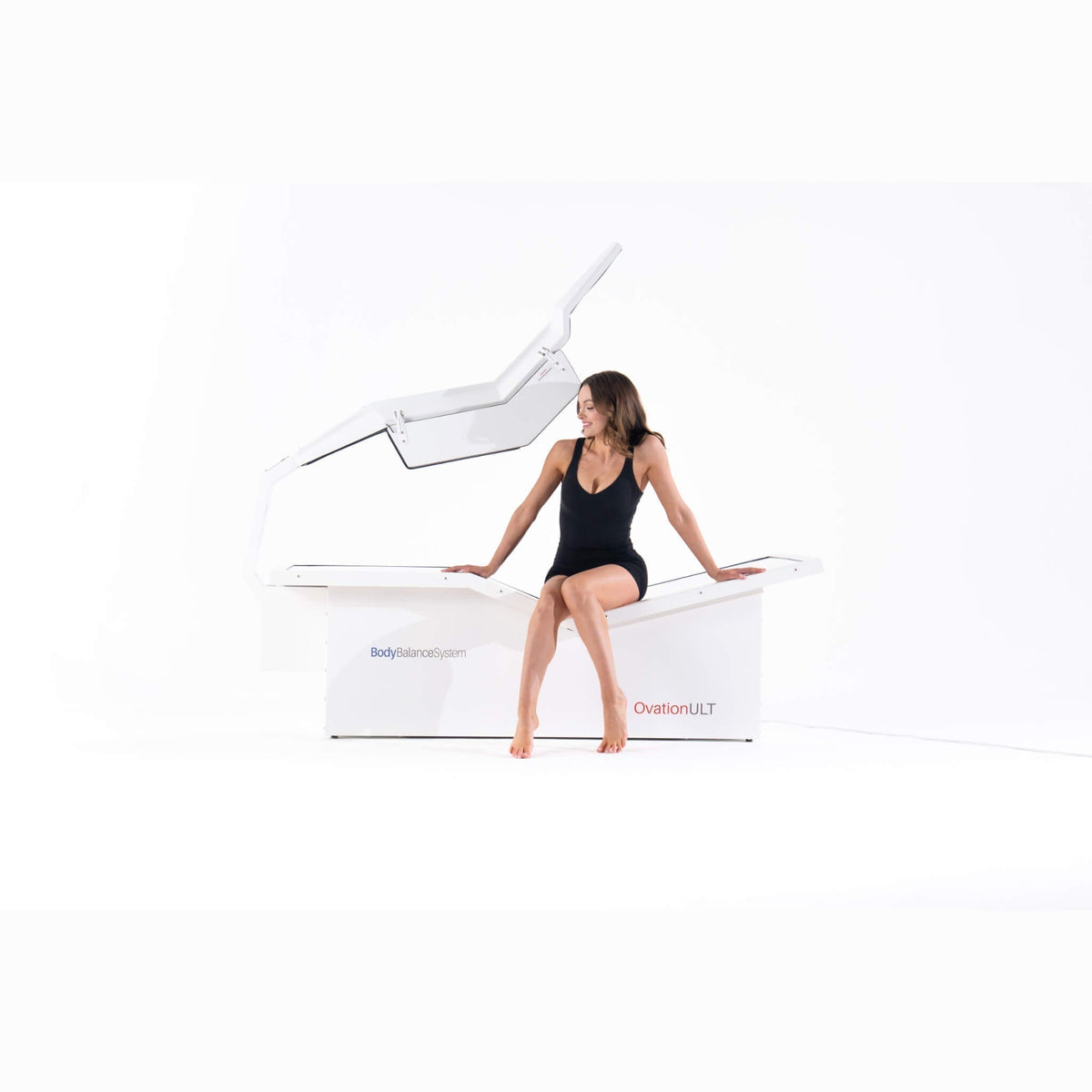
Best for: Established wellness centers, serious athletes, luxury home installations, recovery-focused facilities What you get: 25,000+ LEDs, advanced ergonomics, zero-gravity positioning, frequency massage, 5-year warranties, USA manufacturing Example: Body Balance System OvationULT (28,443 LEDs, 635nm/850nm, built-in frequency massage) represents the sweet spot between performance and investment. The zero-gravity design positions users 2-3 inches from the light source for maximum absorption.
Premium Professional Beds ($69,997-$89,995)
Best for: High-volume wellness centers, sports medicine facilities, luxury spas, professional athlete training centers What you get: Maximum coverage, highest LED counts, multiple wavelength options, automated commercial operation, included marketing programs, energy efficiency optimization Example systems:
- Body Balance System PremierRLT ($69,997): 25% larger than standard beds, 19,736 LEDs, designed for athletes and military personnel, close-proximity design (0-2 inches from source)
- Prism Light Pod ($89,995): Industry-leading 17,000 LEDs, 100 mW/cm² maximum irradiance, six automated programs, runs on standard 110V outlet, includes $10,000 Pro-Partner marketing program
Premium beds deliver the highest power density, most comprehensive automation, and lowest operating costs—critical for commercial operations generating six-figure annual revenues.
Real Investment: What Full-Body Beds Actually Cost
Beyond purchase price, consider total ownership costs:
Upfront Investment: $7,950-$89,995 depending on system capabilities Energy Costs: Modern efficient systems (1,800W) cost roughly $40-80/month for daily commercial use vs. $150-250/month for older designs (6,900W) Maintenance: Quality systems require minimal maintenance—basic cleaning, occasional LED replacement after 40,000-100,000 hours (8-15+ years of daily use) Warranty Coverage: Professional systems include 2-5 year comprehensive warranties covering parts and labor
Commercial Revenue Potential
Wellness centers charging $50-150 per 15-20 minute session see:
- 50% utilization: $156,000-$468,000 annual revenue - 100% utilization: $312,000-$936,000 annual revenue
With proper marketing and integration into existing services, break-even typically occurs within 6-18 months for commercial installations.
Home Use Value Calculation
For individual wellness enthusiasts:
- Clinical sessions: $75-150 per session at wellness centers - Frequency: 2-3 sessions weekly recommended - Annual clinical cost: $7,800-$23,400
Home ownership breaks even in approximately 1-4 years for frequent users, while providing unlimited access for family members.
Who Should Invest in Full-Body Red Light Therapy Beds?
Athletes and Performance Enthusiasts
Professional and amateur athletes use full-body beds to accelerate recovery, reduce muscle soreness, improve circulation, and maintain peak performance. The non-invasive nature allows daily use without interfering with training schedules.
Wellness Center Operators
Adding red light therapy beds creates new revenue streams without requiring additional staff. Automated sessions run unattended, making them highly profitable additions to existing service menus. Centers report strong client demand and high retention rates.
Chronic Pain Sufferers
Those dealing with arthritis, joint pain, fibromyalgia, or injury recovery find consistent relief through regular red light therapy. The deep-penetrating near-infrared wavelengths reach affected tissues, reducing inflammation and promoting healing.
Anti-Aging and Skin Health Seekers
Red light's collagen-boosting properties make it popular for reducing fine lines, improving skin texture, and promoting overall skin rejuvenation. Full-body treatment addresses skin health from head to toe, not just facial areas.
Biohackers and Longevity Optimizers
Those investing in comprehensive wellness protocols incorporate red light therapy alongside other modalities like hyperbaric chambers, cold therapy, and advanced nutrition. The cellular energy boost complements other longevity-focused interventions.
Professional Installation and Operation Considerations
Space Requirements
Most full-body beds require:
- Minimum room size: 10' x 10' to 12' x 12' - Doorway access: 32" standard doorway clearance (most systems) - Ceiling height: 8' minimum for comfortable entry/exit - Electrical: Dedicated 15-20 amp circuit
Operational Simplicity
Modern systems ship fully assembled and plug into standard outlets. Setup takes minutes, not hours. Most beds require only:
- Level floor placement - Standard electrical connection - Quick wipe-down cleaning between sessions (30-60 seconds)
Safety and Compliance
Quality systems include:
- FDA registration: Class II medical device compliance - Safety certifications: UL listing, IEC 60601 specifications - Built-in safety features: Automatic shutoff, timer controls, protective eyewear - No UV radiation: Unlike tanning beds, therapeutic light only
Commercial operators should verify systems meet local health department requirements. Most wellness centers, spas, and fitness facilities can integrate red light beds without special licensing beyond standard business permits.
How to Evaluate Specific Red Light Bed Systems
When researching specific models, verify:
1. Actual specifications (not marketing claims): Get documented LED counts, measured irradiance values, verified wavelengths from manufacturer specifications
2. Warranty details: What's covered? How long? What's the service process?
3. Company reputation: How long has the manufacturer been in business? What's their track record?
4. Support and training: Do they provide operational training? Is technical support accessible?
5. Upgrade and service options: Can the system be serviced? Are replacement parts available?
6. Total cost analysis: Purchase price + energy costs + maintenance = true ownership cost
7. Return policy: What if the system doesn't meet expectations? Test period? Restocking fees?
Have questions about which red light therapy bed is right for your needs? Contact our wellness experts for personalized guidance.
Common Mistakes When Buying Red Light Therapy Beds
Focusing solely on price. The cheapest bed rarely delivers the best value. Consider power output, LED quality, build construction, and warranty coverage—not just the sticker price. Ignoring energy efficiency. Operating cost differences can exceed $30,000-50,000 over the system's lifetime. Energy-efficient models cost more upfront but deliver substantial savings. Overlooking space requirements. Measure your space carefully. A bed that doesn't fit through your doorway or overwhelms your room is useless regardless of specifications. Assuming all LEDs are equal. Medical-grade LEDs rated for 100,000 hours outlast cheap alternatives by 10-15 years. Industrial-strength components justify higher costs. Skipping warranty verification. Know what's covered, how long, and who handles service. A worthless warranty from a fly-by-night company provides zero protection. Buying based on marketing hype alone. Verify claims with independent research. Check clinical studies, user reviews, and third-party testing when available.
The Future of Red Light Therapy Technology
Industry trends point toward continued innovation:
Smarter automation: AI-powered systems may soon adjust intensity and wavelength combinations based on individual responses and wellness goals. Enhanced wavelength control: Next-generation beds will offer precise wavelength targeting for specific therapeutic applications. Integration with wellness tracking: Expect connectivity with fitness trackers, recovery metrics, and wellness apps for data-driven optimization. Improved energy efficiency: Ongoing LED technology advances will further reduce operating costs while maintaining or increasing therapeutic power. Home adoption acceleration: As prices gradually decrease and awareness grows, more wellness enthusiasts will invest in home systems for unlimited access.
The red light therapy market's 11-13% annual growth rate suggests this technology is moving from emerging to established wellness modality.
Making Your Decision
Choosing a full-body red light therapy bed ultimately comes down to matching your specific needs with the right system capabilities:
For commercial operations: Prioritize automation, durability, energy efficiency, and warranty coverage. Look for systems designed for high-volume use with proven ROI potential. For home wellness enthusiasts: Focus on consistent quality, ease of use, and long-term reliability. Consider frequency of intended use when calculating value. For athletic performance: Emphasize maximum power output, full-body coverage, and session convenience. Recovery speed matters more than initial cost. For wellness centers testing the market: Start with entry-level professional systems that deliver solid results without overwhelming initial investment. Scale up as demand grows.
The full-body red light therapy bed market has matured significantly in 2026. Quality systems deliver measurable results backed by solid science. Whether you're a wellness center operator looking to expand services, an athlete optimizing recovery, or a health-conscious individual investing in long-term wellness—effective options exist across the price spectrum.
The key is choosing systems from reputable manufacturers with verified specifications, solid warranties, and proven track records. Do your research, verify claims, and select based on your actual needs rather than marketing hype.
---
Frequently Asked Questions
How long does it take to see results from red light therapy?
Most users report initial benefits within 2-4 weeks of consistent use (3-5 sessions weekly). Skin improvements appear first, followed by recovery and pain relief benefits. Maximum results typically manifest after 8-12 weeks of regular sessions.
Is red light therapy safe for daily use?
Yes, when used as directed. Red and near-infrared light are non-ionizing and don't damage DNA like UV radiation. Most protocols recommend 10-20 minute sessions 3-5 times weekly, though daily use is generally safe for most individuals.
Do I need to remove clothing during sessions?
For maximum effectiveness, direct skin contact with the light is ideal. Most users wear minimal clothing or use protective eyewear while treating the body. Consult your healthcare provider for specific guidance.
Can red light therapy replace other treatments?
Red light therapy complements rather than replaces medical treatment. It's a wellness modality that supports natural healing processes. Never discontinue prescribed medical treatments without consulting your healthcare provider.
What's the difference between red light beds and tanning beds?
Red light beds emit no UV radiation and don't cause tanning or skin damage. They use therapeutic wavelengths (630-850nm) for cellular benefits, while tanning beds use UV light (280-400nm) that damages skin and increases cancer risk.
How do I maintain a red light therapy bed?
Maintenance is minimal: wipe down surfaces between users (30-60 seconds), ensure adequate ventilation, keep LEDs clean from dust, and follow manufacturer guidelines. Quality systems require virtually no maintenance for years.
Are there any contraindications?
While generally safe, consult healthcare providers if you're pregnant, have active cancer, take photosensitizing medications, have epilepsy, or have thyroid conditions. Most people can use red light therapy without issues.
Can multiple people use the same bed?
Yes, with proper cleaning between users. Commercial systems are designed for multiple daily sessions. Follow sanitation protocols and use protective barriers when appropriate.
Ready to Explore Full-Body Red Light Therapy?
Whether you're adding red light therapy to your wellness center, upgrading your recovery routine, or investing in long-term health optimization, quality full-body beds deliver measurable results backed by solid science.
Take time to evaluate your specific needs, verify system specifications, and choose from reputable manufacturers with proven track records. The right red light therapy bed becomes a cornerstone of your wellness strategy for years to come.
Explore our complete selection of professional red light therapy beds →
Disclaimer: This content is for informational purposes only and does not constitute medical advice. Red light therapy devices are wellness products and have not been evaluated by the FDA for treatment of medical conditions. Consult with your healthcare provider before beginning any new wellness regimen.