
Cryotherapy vs Red Light Therapy: How They Differ in Recovery, Performance, and Long-Term Wellness
Recovery is no longer just for athletes. Today, business owners, high performers, and wellness-focused individuals are investing in technologies that support energy, resilience, and long-term performance.
Two of the most talked-about systems are cryotherapy and red light therapy.
They are not the same.
They do not work the same way.
And they are not interchangeable.
This guide explains how cryotherapy and red light therapy differ — and how each fits into a modern recovery routine.
No hype. Just clarity.
What Is Cryotherapy?
Cryotherapy uses controlled cold exposure. In whole-body cryotherapy systems, a person stands in a chamber where cold air lowers skin temperature for a short session, usually 2–3 minutes.
The goal is controlled cold stimulation — not freezing.
The cold exposure triggers a natural physiological response. Blood flow shifts toward the body’s core, and once the session ends, circulation returns toward the extremities.
Many people use cryotherapy to support:
- Post-exercise recovery
- Temporary muscle soreness relief
- Mental alertness
- Circulation response
- Short, high-intensity recovery sessions
Cryotherapy sessions are brief and intense.
If you are considering adding cryotherapy equipment to a wellness center, recovery studio, or home setup, our Cryotherapy Chamber Buying Guide explains the differences between electric and nitrogen systems, typical costs, and facility requirements.
What Is Red Light Therapy?
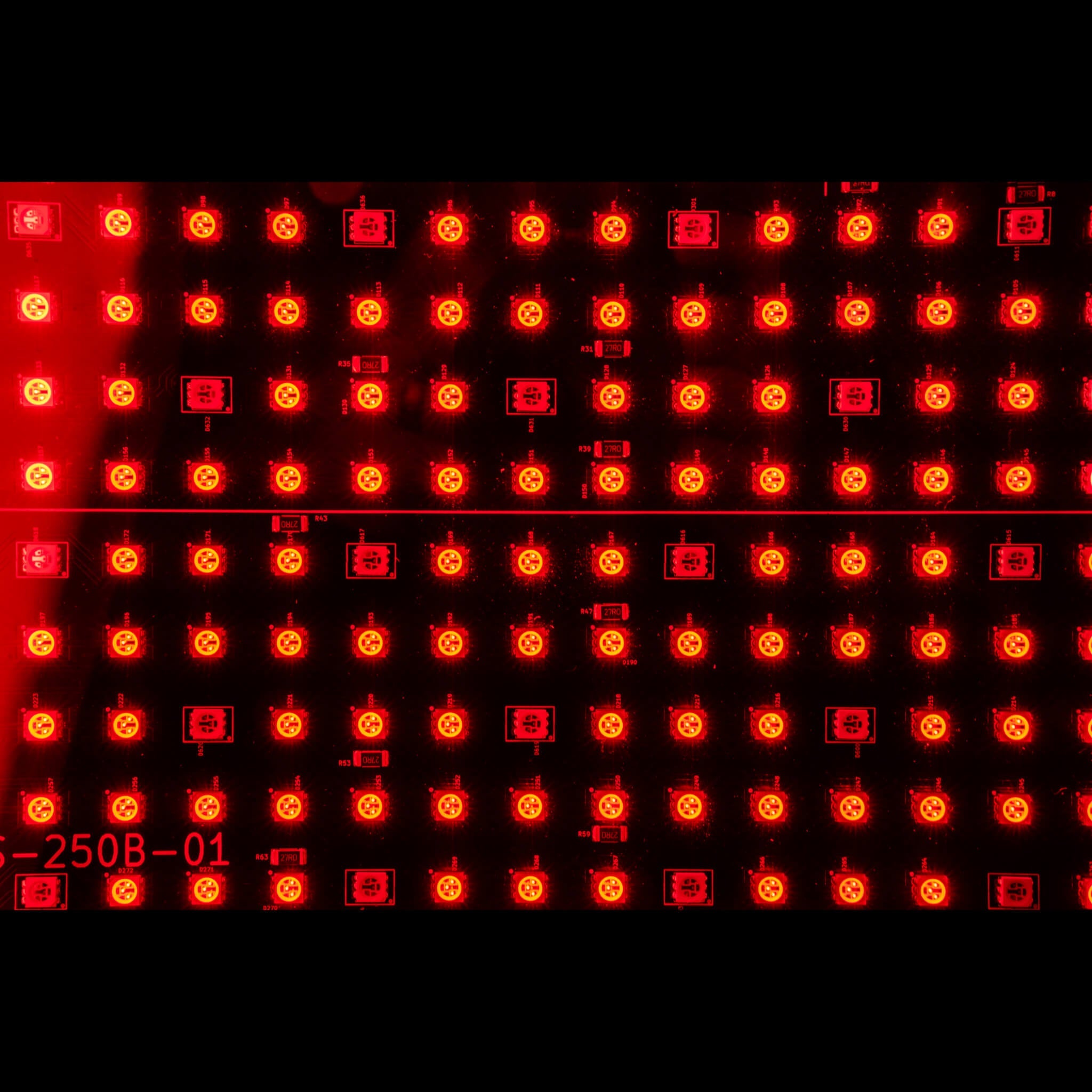
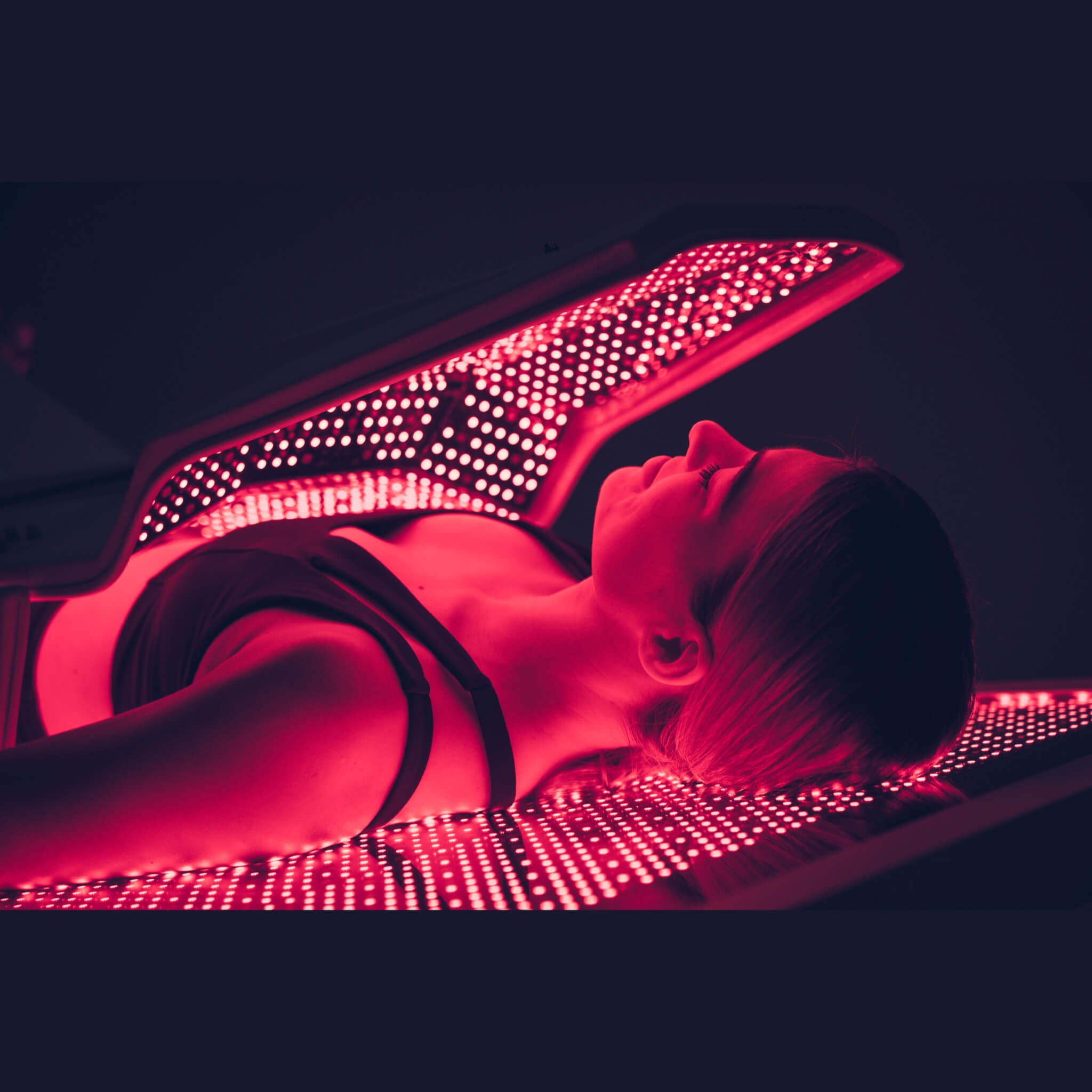
Red light therapy uses visible red and near-infrared wavelengths delivered through LED systems. Unlike cryotherapy, it does not involve temperature shock.
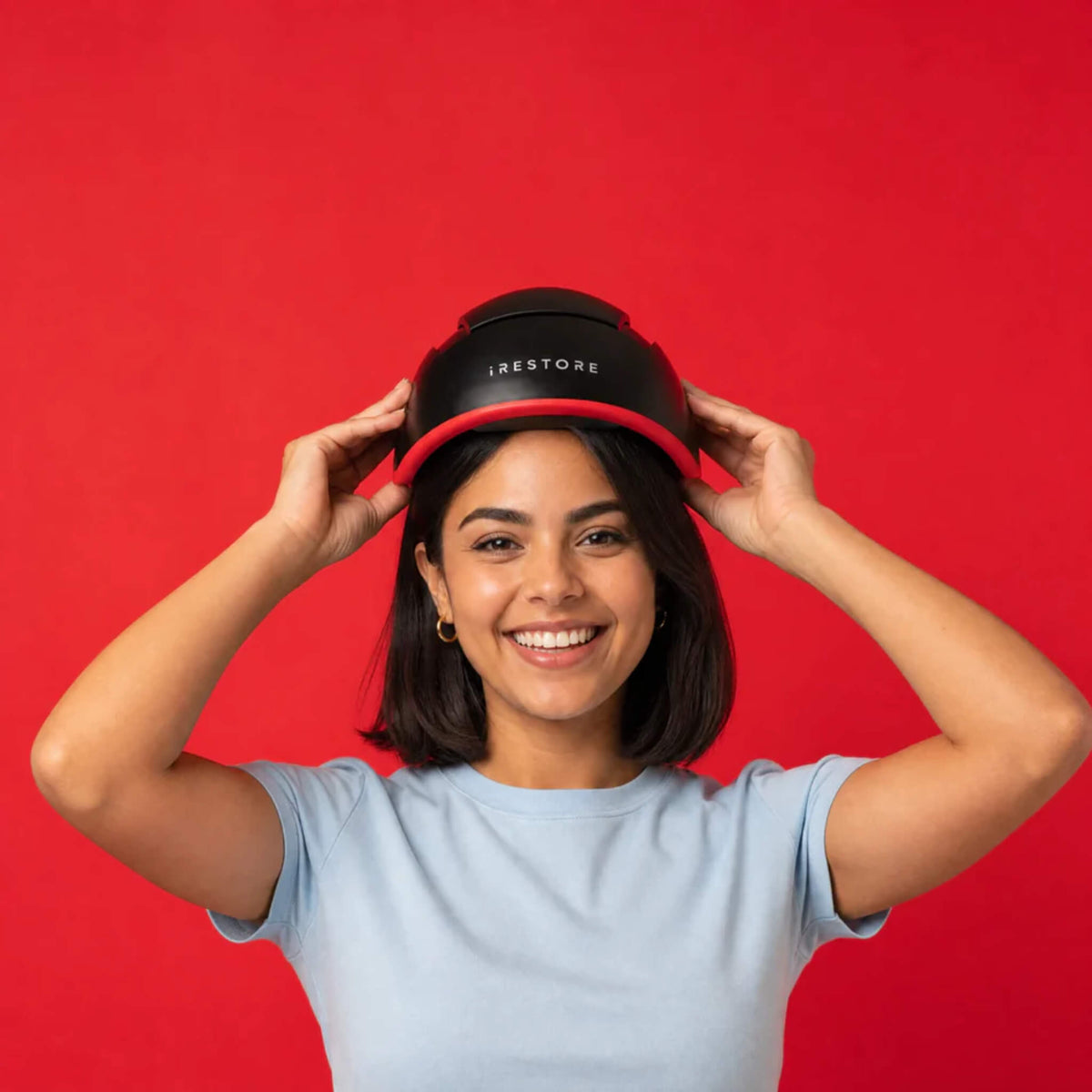
Looking for at home options? See our red light therapy for muscle recovery devices.
The light is absorbed by the body and interacts with cells, particularly within mitochondria, which are responsible for energy production.
Red light therapy is commonly used to support:
- Muscle comfort
- Relaxation
- Circulation
- Skin appearance
- General recovery routines
Sessions typically last 10–20 minutes and feel warm and calming.
Red light therapy is gradual and cumulative.
The Core Difference: Cold Shock vs Light Stimulation
The simplest way to understand the difference:
Cryotherapy stimulates the body through cold.
Red light therapy stimulates the body through light.
Cryotherapy triggers a rapid response.
Red light therapy supports steady cellular activity.
One is intense and short.
The other is calm and consistent.
Both can play a role — but they function differently.
How They Differ in Recovery
1. Speed of Experience
Cryotherapy
- Short sessions (2–3 minutes)
- Strong sensory impact
- Immediate cooling sensation
Red Light Therapy
- Longer sessions (10–20 minutes)
- Gentle warmth
- No shock or discomfort
If someone prefers quick and intense, cryotherapy may feel more aligned.
If someone prefers calm and restorative, red light therapy may feel more suitable.
2. Nervous System Response
Cold exposure activates the body’s stress response briefly. Some people describe feeling alert or energized after a cryotherapy session.
Red light therapy does not trigger a stress response. Many users describe it as relaxing or grounding.
The experience is very different.
3. Circulation Patterns
Cryotherapy temporarily redirects blood flow inward, followed by increased circulation as the body rewarms.
Red light therapy supports circulation through light interaction with tissues.
Both influence circulation — but through different mechanisms.
4. Frequency of Use
Cryotherapy is often used a few times per week.
Red light therapy is commonly used more frequently, sometimes daily, depending on the system and user goals.
Because red light therapy does not involve temperature shock, it is often easier to integrate into a daily routine.
5. Comfort Level
Cryotherapy can feel intense.
Red light therapy typically feels comfortable and warm.
Comfort matters, especially for long-term consistency.
Performance vs Longevity Positioning
This is where the distinction becomes important.
Cryotherapy is often positioned around:
- Athletic recovery
- High-performance environments
- Short-term recovery cycles
Red light therapy is often positioned around:
- Ongoing wellness routines
- Skin and tissue support
- Long-term consistency
In reality, many wellness facilities offer both because they serve different purposes.
Can They Be Used Together?
Yes.
Cryotherapy and red light therapy are not competitors. They are different tools.
Some wellness centers structure recovery routines like this:
- Cold exposure session
- Followed by red light therapy for recovery support
The cold session creates one type of stimulus.
The light session supports another.
This layered approach is common in high-end recovery spaces.
Who Might Prefer Cryotherapy?
Cryotherapy may appeal to:
- Athletes
- High-intensity trainers
- Performance-focused individuals
- People who enjoy strong physical stimulation
- Wellness centers offering short-session rotation models
It fits environments where fast turnover and strong impact are valued.
Who Might Prefer Red Light Therapy?
Red light therapy may appeal to:
- Wellness-focused households
- Clients seeking a calmer experience
- Recovery studios
- Spas and longevity centers
- Individuals who prefer gradual support
It integrates well into daily routines.
How This Fits Into Modern Wellness Design
The modern recovery space is no longer built around a single technology.
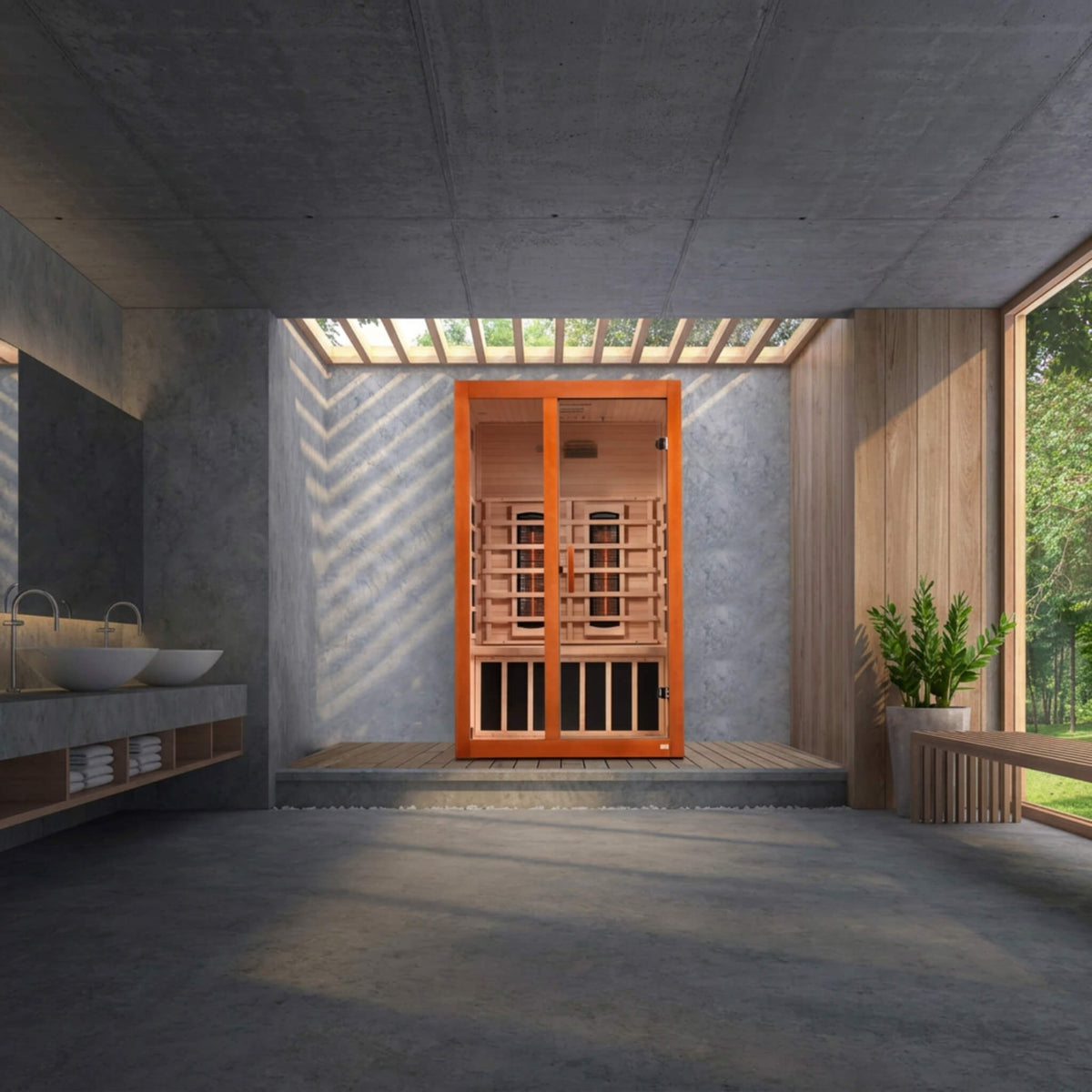
High-end wellness centers are now structured around three core pillars:
Each serves a different function.
Cryotherapy represents cold exposure.
Red light therapy represents light-based support.
They are complementary.
Decision Clarity: Which One Is “Better”?
That depends on the goal.
If someone wants:
- Short, intense stimulation → Cryotherapy may feel aligned.
- Calm, consistent recovery support → Red light therapy may feel aligned.
- A layered recovery routine → Both can fit together.
There is no universal “better.”
There is only alignment with goals.
Final Thoughts
Cryotherapy and red light therapy are both respected recovery technologies. But they work through completely different mechanisms.
One uses cold shock to stimulate response.
One uses light to support cellular activity.
Understanding that difference helps remove confusion.
Modern wellness is not about choosing sides.
It is about building a system that supports how you want to feel — today and long term.
Medical Disclaimer
This content is for informational purposes only and is not medical advice. Cryotherapy and red light therapy systems are not intended to diagnose, treat, cure, or prevent any disease. Individuals with medical conditions should consult a qualified healthcare professional before beginning any new wellness practice.