
Infrared Sauna Electrical Requirements (2026): 120V, 15A, 20A, and What Home Buyers Need to Know
TL;DR
Most infrared saunas run on standard 120V power. Smaller 1–2 person units typically use a 15A outlet, while larger 2–3 person models often require a 20A dedicated circuit. If your outlet and breaker match the sauna, installation is straightforward.
Direct Answer
Before buying an infrared sauna, there is really one thing you need to confirm first: what type of circuit you actually have.
If you have a standard outlet in a typical room, most 1–2 person saunas will work without any issue. If you are looking at a larger unit, especially something designed for two or three people, you will likely need a 20A dedicated circuit. If you are not sure what your setup is, a quick look at your breaker panel or a short check with an electrician will give you a clear answer.
Most homes already support at least one of these setups. The key is making sure the sauna matches the circuit, not trying to solve that after it arrives.
Understanding the Three Electrical Setups
Most infrared sauna installations fall into one of three categories. Once you understand these, everything else becomes easier.
Plug-and-Play (120V / 15A)
This is the simplest and most common setup. These saunas are designed to run on a standard household outlet, which means there is no special wiring and no electrician required.
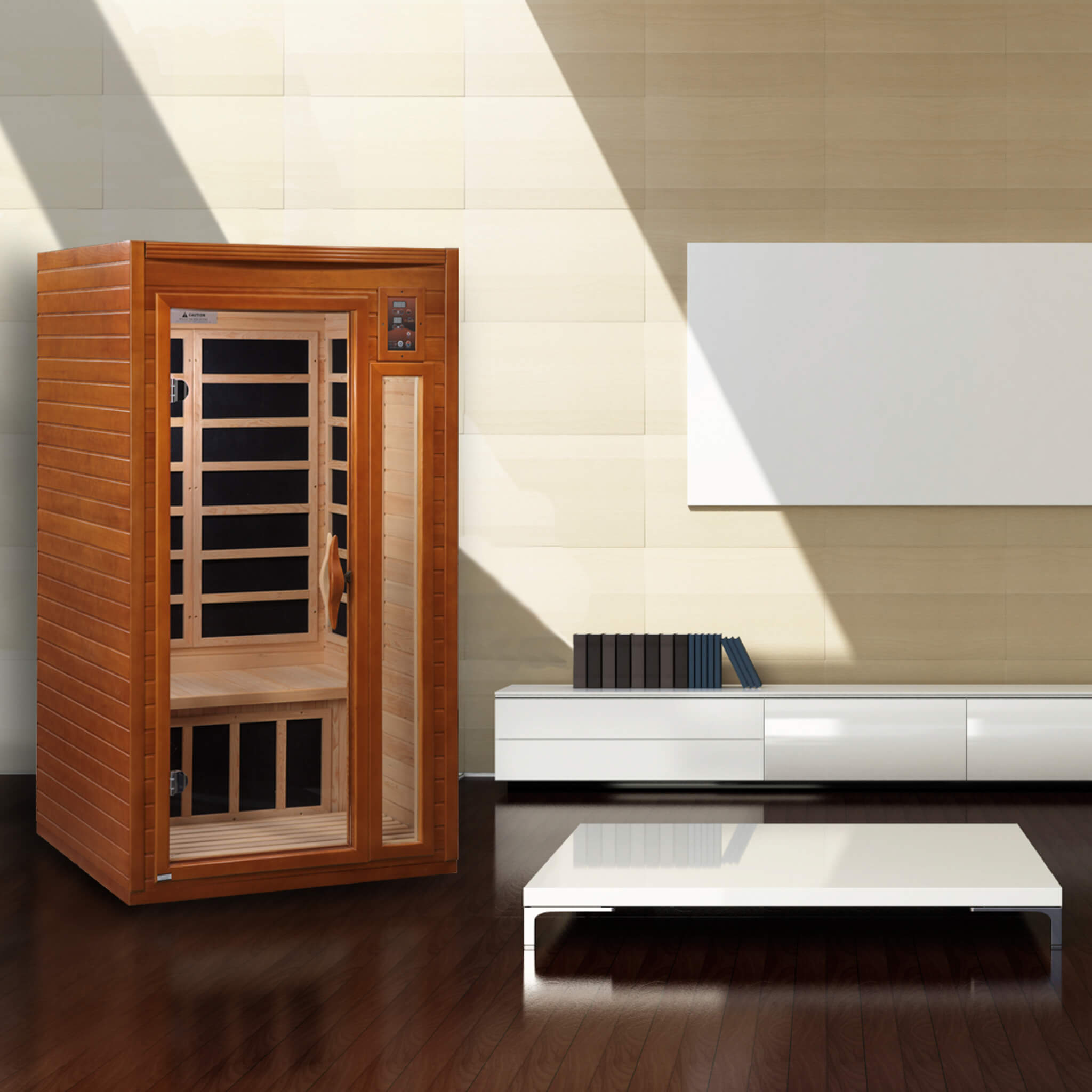
This is what you will typically see with 1–2 person infrared saunas. They are often placed in bedrooms, basements, or dedicated wellness spaces where a normal outlet is already available. For most home buyers, this is where the process is straightforward. You assemble the unit, plug it in, and it works.
What matters here is not just the outlet itself, but the circuit behind it. As long as that circuit is not overloaded with other devices, these systems run without issue.
Dedicated Circuit (120V / 20A)
This is where most confusion starts.
A 20A circuit still uses 120V power, but it is designed to handle a higher and more consistent electrical load. As you move into larger infrared saunas with more heating panels and longer session use, this becomes necessary.
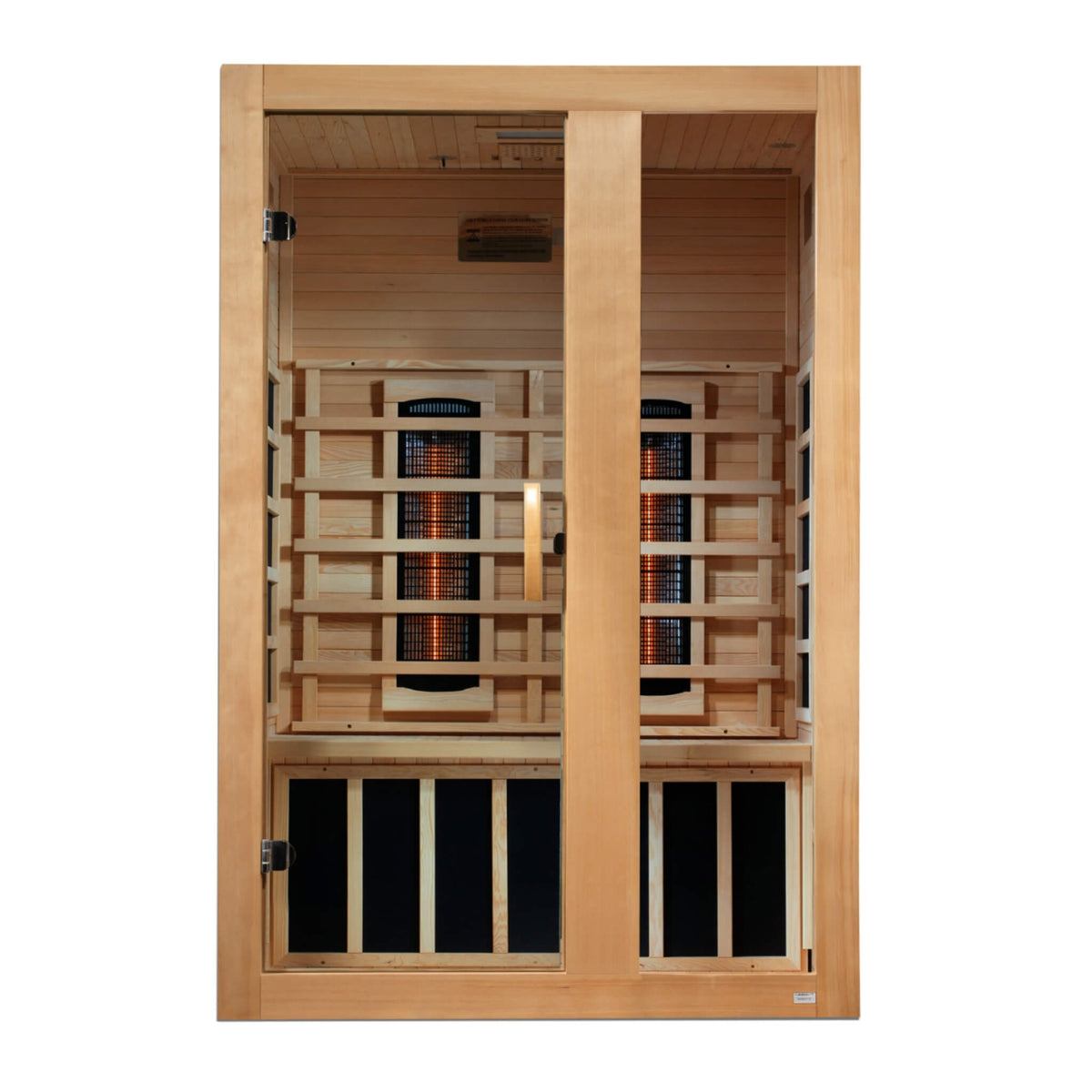
For example, larger three-person units, are designed to run on a 20A dedicated receptacle. This does not mean a complicated installation, but it does mean you need to confirm that the outlet is supported by the correct breaker and is not shared with other appliances.
In most cases, this involves either verifying your current setup or having an electrician run a dedicated line. It is a small step, but it is important to handle before the sauna arrives.
Higher Power Planning
Most infrared saunas stay within standard 120V systems, but as units become larger or more powerful, they begin to push closer to the limits of what a typical home circuit can handle.
At that point, the conversation shifts from simply plugging in the unit to making sure the overall setup is correct. That includes confirming the breaker capacity, ensuring the circuit is not shared, and thinking about where the sauna will actually be placed.
This is not about making installation more difficult. It is about avoiding problems by planning properly from the start.
Where Buyers Get It Wrong
Most installation issues do not come from the sauna itself. They come from assumptions made before the purchase.
One of the most common mistakes is confusing the outlet with the circuit. Two outlets can look identical, but the wiring and breaker behind them can be completely different. That difference determines whether the sauna will run properly.
Another issue is assuming that all outlets in a home are independent. In many cases, multiple rooms share the same circuit. When that happens, running a sauna alongside other devices can cause breakers to trip or reduce performance.
Extension cords are another frequent mistake. Infrared saunas draw continuous power, and extension cords are not designed for that type of sustained load. They can overheat and introduce unnecessary risk. These systems should always be plugged directly into the correct outlet.
The biggest issue, though, is simply not checking ahead of time. A quick look at your breaker panel or a short conversation with an electrician can prevent delays, returns, or last-minute adjustments.
Room and Placement Considerations
Electrical setup and placement go hand in hand.
The sauna needs to be close enough to the outlet so it can be plugged in directly without stretching cables across the room. At the same time, it should not be pushed tightly into a corner without any space around it. Leaving some clearance improves both airflow and long-term usability.
The floor also matters. These units need to sit on a flat, stable surface such as wood, tile, or a similar material. While infrared saunas do not require external ventilation, placing them in a room with basic airflow makes the experience more comfortable over time.
What It Typically Costs to Set Up
For most buyers, electrical setup is simple and inexpensive.
If you are using a plug-and-play unit with an existing outlet, there is no additional cost. If you need to add or confirm a 20A circuit, that usually falls somewhere between $150 and $500 depending on the setup.
More complex work is possible, but it is not common for standard infrared sauna installations. In most cases, the electrical side is a small part of the overall investment.
How to Decide Quickly
If you want to simplify the decision, it comes down to matching the sauna to your existing setup.
If you have a standard outlet in a normal room, a 1–2 person sauna is the easiest path. If you are planning to buy a larger unit, it is worth confirming whether a 20A circuit is available. If you are unsure, checking before buying saves time and avoids complications.
For anyone building out a dedicated wellness space, planning for a 20A circuit from the start gives you more flexibility.
Frequently Asked Questions
Do I need an electrician?
Not always. Many infrared saunas are designed to plug into a standard outlet. An electrician is only needed if you require a dedicated circuit or want to confirm your setup.
Can I use a regular outlet?
Yes, for most smaller units. The key is making sure the circuit is not overloaded with other devices.
What is a 20A circuit?
It is a higher-capacity circuit that can handle more continuous electrical load than a standard 15A setup.
How much power does an infrared sauna use?
Most home infrared saunas operate on 120V and require either a 15A or 20A circuit depending on size and configuration.
Can I install it in a bedroom or basement?
Yes. These are common locations as long as you have proper electrical access and a stable surface.
What happens if the circuit is not strong enough?
The breaker will trip. This is a sign that the sauna is drawing more power than the circuit can safely handle.
Where to Go Next
If you are comparing different sauna sizes and setups, start by looking at the full infrared sauna collection to see what fits your space.
From there, focus on whether a 1–2 person or 3 person unit makes more sense, and make sure the electrical requirements match your home before choosing a model.
Final Takeaway
Infrared sauna installation is simpler than most people expect. The process comes down to making sure three things line up: the size of the sauna, the electrical capacity of your home, and where you plan to place it.
Once those match, everything else becomes straightforward.
Key Takeaways
- Most infrared saunas run on standard 120V power
- 1–2 person units typically use 15A outlets
- Larger units often require a 20A dedicated circuit
- Electrical setup is usually simple
- Verifying your circuit before buying prevents problems