
How Much Do Red Light Therapy Beds Cost in 2026? (Real Pricing Breakdown for Buyers)
Quick Reference Summary
Full-body red light therapy beds are typically sold across three general investment tiers: entry-level, mid-range, and premium commercial-grade. Price is driven primarily by size, coverage, build quality, and how the system is designed to be used, occasionally versus daily. This guide breaks down what separates each tier, what actually drives the cost difference, and how to think through the decision, without needing to compare exact dollar figures here since those change and are best confirmed on the current product listing.
TL;DR
Red light therapy beds range from smaller entry-level systems built for occasional home use up to premium commercial-grade systems built for daily, multi-session use in a wellness center or clinic. The right tier for you comes down to how often you'll actually use it, whether it's for home or business, and how much full-body coverage matters to your goals. This guide walks through what separates each tier and what's actually driving the price difference.
Direct Answer
Red light therapy beds fall into three general investment tiers:
- Entry-level systems, built for occasional home use and smaller footprints
- Mid-range full-body systems, built for consistent home or small-studio use
- Premium commercial-grade systems, built for daily, multi-session use in a wellness center or clinic
Current pricing for specific models is kept up to date on each product's own listing rather than here, since it changes. The right tier for you depends on how often you'll use it, whether it's for home or business, and how much full-body coverage matters to you.
What Separates Each Investment Tier
Entry-level systems are smaller or simpler, best suited to occasional home use or anyone testing whether this technology fits their routine. Lower upfront investment, simpler setup, but more limited coverage, often requiring you to reposition during a session to treat your full body.
Mid-range systems deliver genuine full-body exposure in a single session, well suited to home wellness setups or small studios running regular weekly sessions. More comfortable positioning and better long-term value for anyone planning consistent use.
Premium commercial-grade systems are built for daily, multi-session use in wellness centers, med spas, and recovery studios: full-body coverage in one session, consistent output, and long-term durability under heavy daily use.
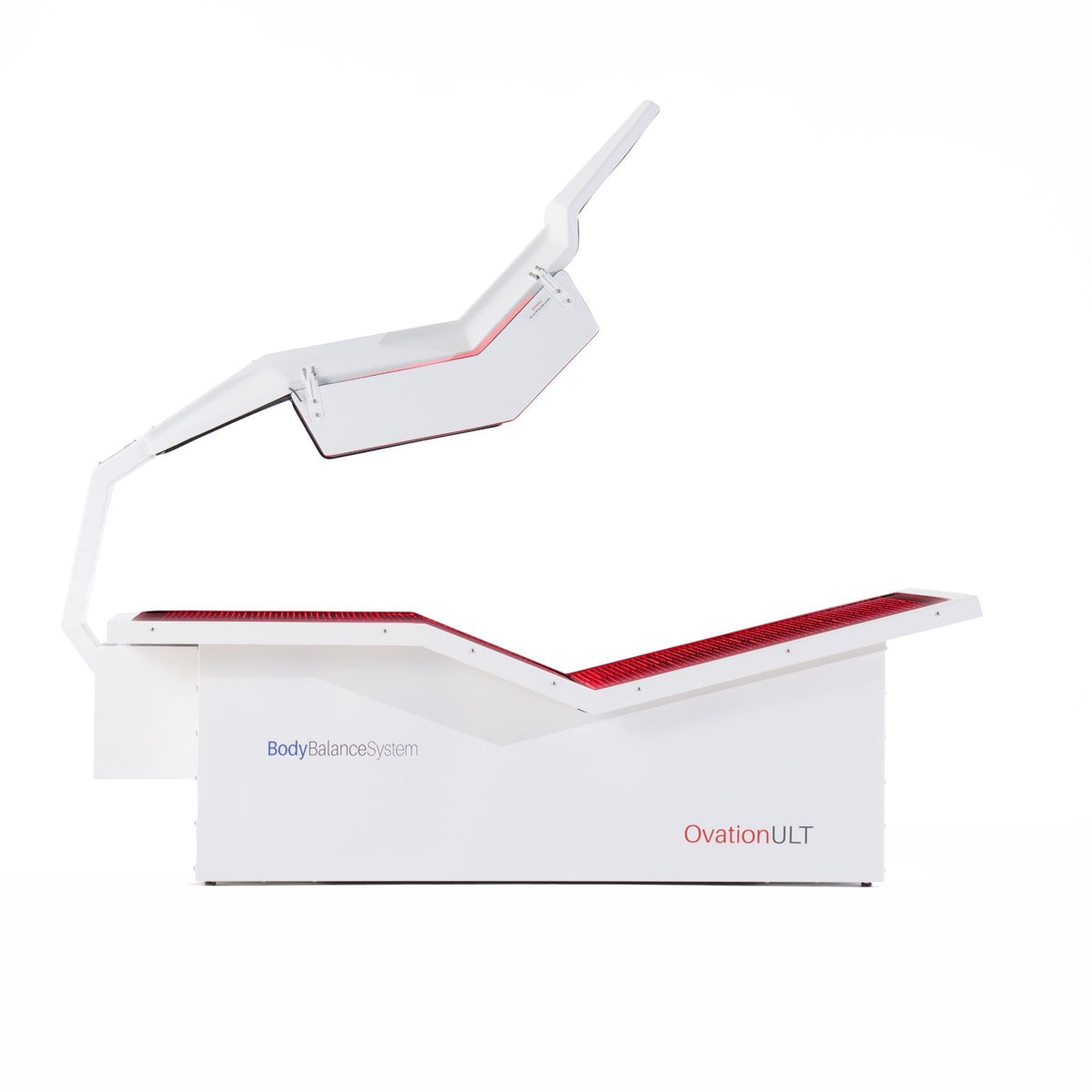
Across all three, price mainly tracks two things: how much of your body a single session covers without repositioning, and how comfortable the design is over longer or more frequent sessions. Lower-cost systems place you flat on a hard surface, fine for short, occasional sessions but uncomfortable over time. Higher-tier systems, like the Body Balance System OvationULT and PremierRLT, use a zero gravity design that keeps you close to the light source in a reclined position, which matters more than it sounds, since consistency is what actually drives results, and an uncomfortable system gets used less.
Still not sure which tier fits you? Start with the Body Balance System OvationULT, our recommended pick for most buyers moving past the entry level. It's a genuine mid-tier zero gravity full-body system without stepping up to flagship pricing. See the full model comparison for how it stacks up against the other four models we carry.
Hidden Costs Worth Planning For
The system price is only part of the investment. Larger systems may require freight shipping, and some models need a dedicated electrical circuit depending on their power draw, worth confirming before you buy. You'll also want enough clear room for safe use and delivery access, and while most systems need minimal ongoing maintenance, basic care is still part of ownership. Regular use will modestly increase your electricity usage as well.
If you're running a business rather than buying for home use, the investment case, including revenue potential and ownership advantages, is covered in detail here.
Where This Fits Into a Full Recovery Setup
Red light therapy is often just one part of a larger wellness setup. If you're planning a dedicated recovery space rather than a single device, see how a full recovery studio layout comes together here.
Frequently Asked Questions
How much does a red light therapy bed cost?
Pricing spans from entry-level home systems up to premium commercial-grade systems, with the difference driven mainly by size, coverage, and build quality. Since pricing changes, we keep current figures on each product's own listing rather than in this guide. See current models and pricing here.
Are more expensive systems actually worth it?
They can be, but only if you'll use the system regularly. A premium system's main advantage is full-body coverage in one comfortable session with long-term durability, which matters most for frequent or daily use. If you're still exploring or unsure how often you'll use it, starting smaller is usually the better call.
What's the real difference between a cheaper and a premium system?
Cheaper systems typically treat a smaller area and require repositioning to get full coverage. Premium full-body systems deliver consistent exposure across your entire body in one session without adjusting position, often using a structured design that keeps your body closer to the light source. The bigger difference isn't build quality alone, it's how easy the system is to use consistently and how complete each session feels.
Is it worth buying one for home use?
It can be, particularly if you plan to use it consistently rather than occasionally. Entry and mid-range systems are built with home use specifically in mind.
Final Thoughts
The cost of a red light therapy bed isn't just about the price tag, it's about choosing a system that fits your space, your routine, and how often you'll actually use it. If you're still undecided, the OvationULT is the sensible starting point for most buyers moving past the entry level.
Any questions before you decide, we are here.