

Cryotherapy Chamber Sessions Explained (2026): Temperature, Session Time, and What It Actually Feels Like
TL;DR
Cryotherapy chambers expose the body to extremely cold air for short sessions that typically last 2 to 4 minutes.
Most systems operate between -80°C and -160°C (-112°F to -256°F) depending on the chamber type.
Electric cryotherapy chambers generally operate between -80°C and -110°C, while nitrogen systems can reach -110°C to -160°C.
Quick Answer: How Cold Is a Cryotherapy Chamber?
Most cryotherapy chambers operate between -80°C and -160°C (-112°F to -256°F) depending on the system design.
Electric cryotherapy chambers usually operate between -80°C and -110°C, while nitrogen systems can reach temperatures as low as -160°C.
Despite these extremely low temperatures, sessions are intentionally short and typically last 2 to 4 minutes.
If you are considering installing cryotherapy equipment in a spa, recovery studio, or home wellness space, our Cryotherapy Chamber Buying Guide explains the differences between electric and nitrogen systems, costs, and installation requirements.
In This Guide
In this guide you will learn:
- How cold cryotherapy chambers actually get
- The difference between electric and nitrogen cryotherapy systems
- How long a typical cryotherapy session lasts
- What a cryotherapy session feels like
- Where cryotherapy chambers are commonly installed today
What Is a Cryotherapy Chamber Session
Whole-body cryotherapy chambers expose the body to extremely cold air for a short and controlled period of time.
Unlike cold plunges or ice baths, cryotherapy uses dry circulating air rather than water.
The goal is not long cold exposure. Instead, the chamber creates a short cold stimulus that can be repeated as part of a wellness or recovery routine.
Many wellness facilities now combine cryotherapy with other technologies such as red light therapy systems, compression recovery equipment, massage therapy systems, and hyperbaric chambers.
How Cold Does a Cryotherapy Chamber Get
Cryotherapy chambers typically operate between -80°C and -160°C (-112°F to -256°F) depending on the chamber type and cooling system.
The exact temperature range depends on how the chamber produces the cold environment.
Most modern systems fall within the following ranges.
| Chamber Type | Typical Temperature Range |
|---|---|
| Electric cryotherapy chamber | -80°C to -110°C (-112°F to -166°F) |
| Nitrogen cryotherapy chamber | -110°C to -160°C (-166°F to -256°F) |
These temperatures are extremely low, but the key factor is the short exposure time.
Because the air is dry rather than wet, many users find the experience very different from ice baths or cold water immersion.
Electric vs Nitrogen Cryotherapy Chambers
Whole-body cryotherapy chambers generally fall into two categories based on how the cold environment is created.
Some facilities also offer localized cryotherapy machines that target specific areas of the body rather than full-body exposure.
Electric Cryotherapy Chambers
Electric cryotherapy chambers use refrigeration compressors to cool circulating air inside the chamber.
Typical operating range:
-80°C to -110°C
Electric systems are often selected by wellness facilities that want:
- consistent temperature control
- fully enclosed chambers
- simpler installation without nitrogen handling
These systems are commonly installed in wellness studios, sports recovery facilities, and luxury home wellness environments.
Nitrogen Cryotherapy Chambers
Nitrogen cryotherapy chambers generate cold air by vaporizing liquid nitrogen.
Because nitrogen can reach extremely low temperatures, these systems can operate between:
-110°C and -160°C
Nitrogen cryotherapy chambers are often used in:
- sports performance centers
- high-volume wellness facilities
- recovery studios and longevity clinics
These systems require proper ventilation planning during installation.
How Long Can You Stay in a Cryotherapy Chamber
Cryotherapy sessions are intentionally short.
Most sessions last 2 to 4 minutes depending on the chamber model and the facility’s session protocol.
Short exposure time is one of the defining features of cryotherapy.
Facilities typically use built-in timers and operator controls to ensure that sessions stay within recommended limits.
First-time users often start with shorter sessions before gradually increasing session time as they become familiar with the experience.
Does Cryotherapy Feel Really Cold
Yes. Cryotherapy feels cold immediately.
However, the sensation is different from cold water immersion.
Because the chamber uses dry circulating air, the cold tends to feel sharp but brief rather than deeply penetrating.
During a typical session users may notice:
- a sudden cold sensation when the session begins
- dry cold air moving around the body
- rapid cooling of the skin
- adjustment to the temperature after the first few seconds
After the session ends, many people report feeling energized or refreshed as the body returns to normal temperature.
Individual experiences vary depending on personal cold tolerance and the specific chamber being used.
What Happens During a Cryotherapy Session
A typical cryotherapy session follows a simple sequence.
Preparation
Before entering the chamber, a trained operator explains the session process and duration.
Facilities often provide protective accessories such as gloves, socks, or footwear depending on the system.
Entering the Chamber
The user steps inside the cryotherapy chamber and the operator starts the programmed session.
Cold air begins circulating quickly inside the chamber.
The Session
The session usually lasts between 2 and 4 minutes.
The operator monitors the session while the chamber maintains the cold environment.
Session Completion
When the timer ends, the chamber opens and the user exits.
The entire process usually takes only a few minutes.
Why Cryotherapy Is Used in Modern Recovery Programs
Cryotherapy has become common in wellness and recovery environments because it fits easily into structured routines.
Facilities often combine cryotherapy with other technologies such as red light therapy beds. If you want a deeper comparison of those systems, you can read our complete Red Light Therapy Beds Buyer’s Guide:
- red light therapy beds
- massage and vibration recovery equipment
- compression therapy systems
- hyperbaric wellness chambers
This combination approach allows wellness facilities to create full recovery programs rather than isolated services.
Where Cryotherapy Chambers Are Commonly Installed
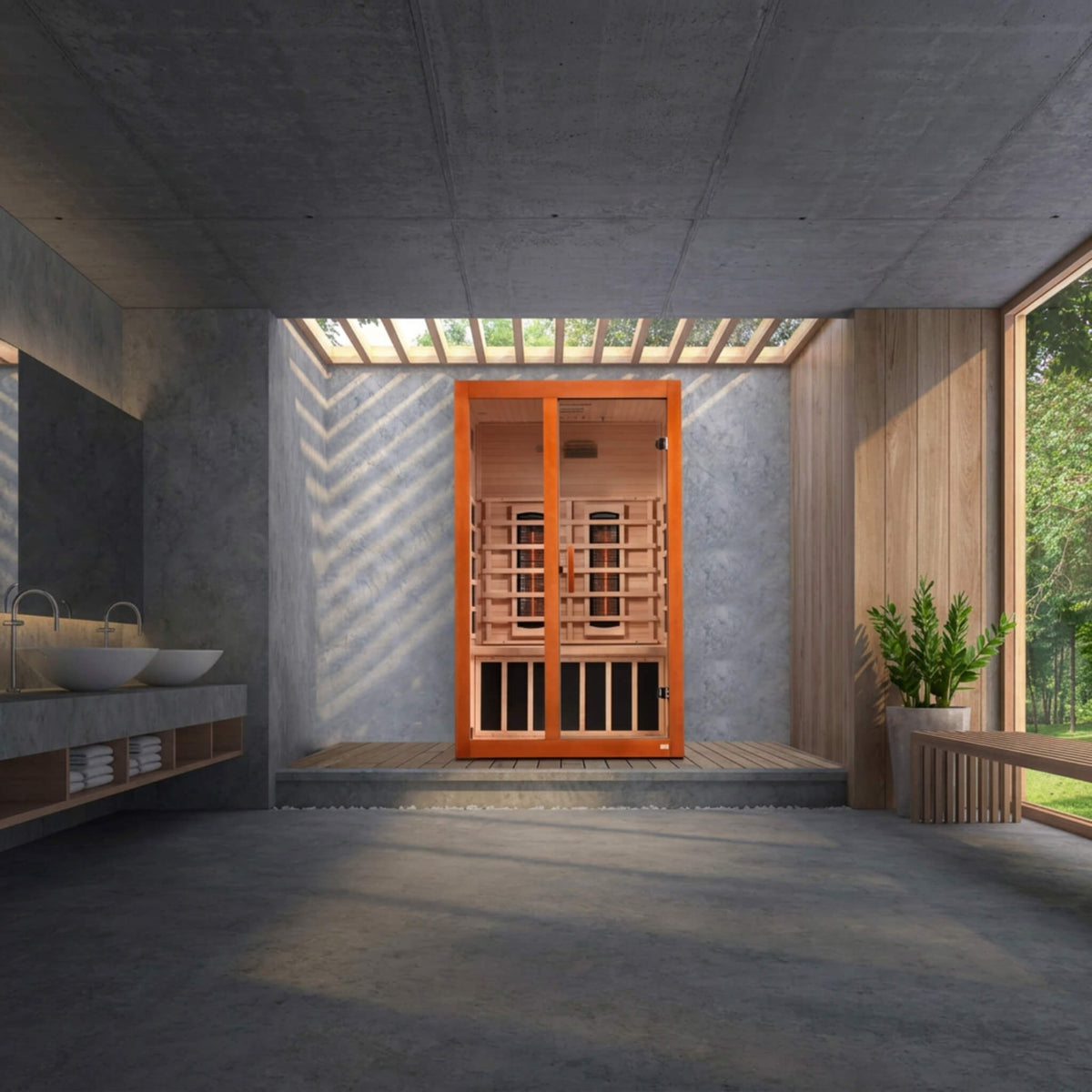
Cryotherapy chambers are now installed in a wide range of wellness environments. If you are comparing available systems, you can explore our full collection of cryotherapy chambers here.
Common locations include:
- sports performance and recovery centers
- wellness and longevity studios
- medical spas and wellness clinics
- luxury hotel wellness facilities
- private home wellness rooms
As recovery technology continues to evolve, cryotherapy is increasingly integrated into multi-technology wellness environments.
Quick Answers to Common Cryotherapy Questions
How cold does a cryo lounge get
Cryotherapy chambers typically operate between -80°C and -160°C, depending on the chamber design.
How long can you stay in a cryogenic chamber
Most cryotherapy sessions last 2 to 4 minutes.
Does cryotherapy feel really cold
Yes. Most users feel an immediate cold sensation at the beginning of the session, but many adjust quickly because the air is dry and the session is short.
Final Thoughts
Cryotherapy chambers expose the body to extremely cold air for very short periods of time.
Electric systems typically operate between -80°C and -110°C, while nitrogen chambers can reach -110°C to -160°C.
Because sessions last only a few minutes and modern systems include built-in safety controls, cryotherapy has become a widely used recovery technology across sports facilities, wellness centers, and recovery studios.
Understanding how cryotherapy chambers work helps both users and facility owners evaluate how this technology fits into modern recovery routines.
Many facilities that install cryotherapy also evaluate other recovery technologies. If you are comparing oxygen therapy systems, our Hyperbaric Chamber Buyer’s Guide explains the main options, costs, and setup requirements.




%20depending%20on...)